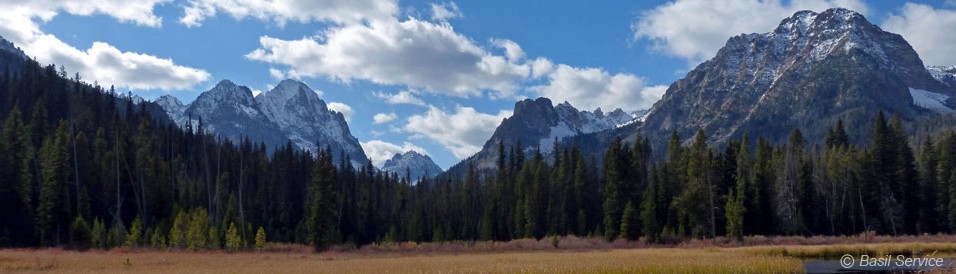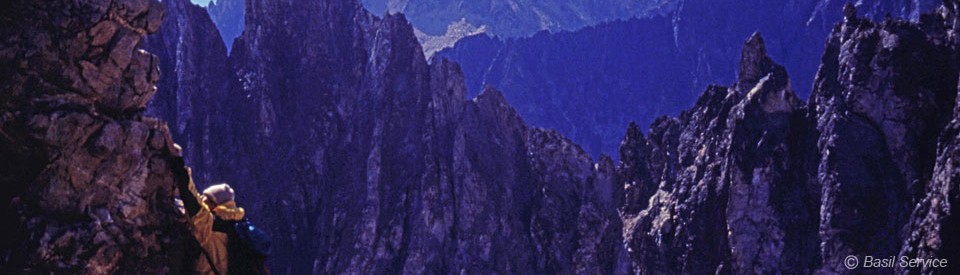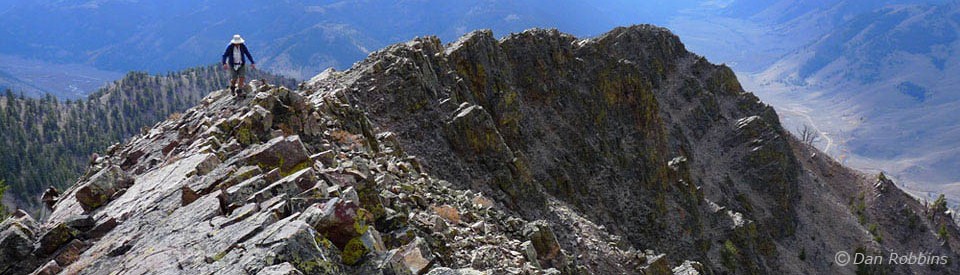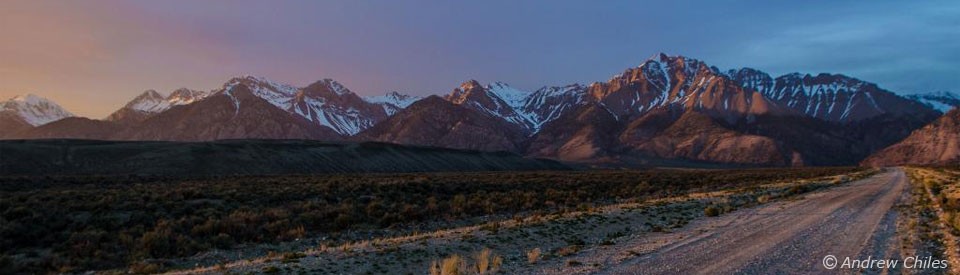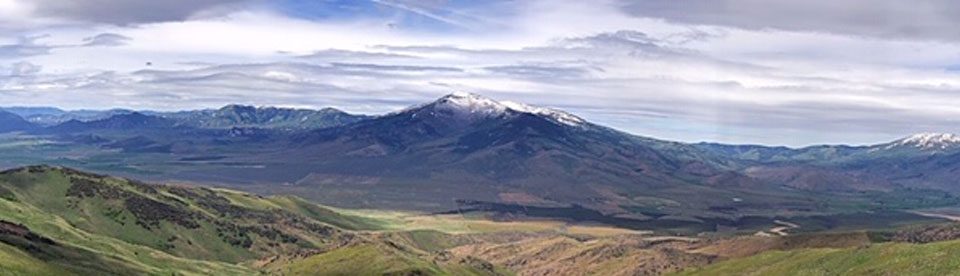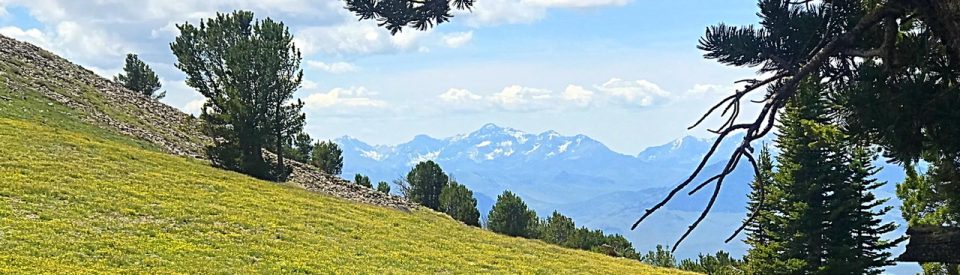
January 18, 2023. According to the definitive list found on the Lists of John website, Idaho has 8,190 peaks and associated formations like county high points and rock formations found in places like the City of Rocks National Reserve. Of this total, 5,860 peaks have at least 300 feet of prominence. The majority of Idaho’s peaks are unnamed. Of course, … Continue reading →
The opportunities for those who enjoy climbing mountains are unlimited in Idaho. This guidebook is an idea book and a starting point for mountaineers, hikers and explorers. In the 10 years since Exploring Idaho’s Mountains was published, Idaho’s population has skyrocketed, Boise has become a city and Coeur d’Alene is now a major resort destination. Surprisingly, this growth has had … Continue reading →
Thanks to LiDAR, the Nez Perce County HP (Craig Mountain) is quite different from what the COHP enthusiasts have climbed. They drove right past the actual/new high point for Craig Mountain (and Nez Perce County). The former high point was located about a mile west of the main ridge crest road and was measured (by map) at 5,380 feet. The … Continue reading →
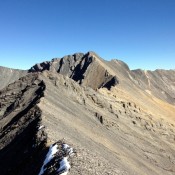
A new post from the stats guy so you know what that means. 11er list updates! We’ve got a new highest 11er and a new lowest 11er! “No Regret Peak” is Idaho’s 10th highest: 11,996 feet with 314 feet of prominence (possibly more; there’s a small section of the saddle where LiDAR isn’t available yet.) The maps show “No Regret … Continue reading →
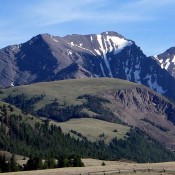
While a climber can choose to climb any mountain for any reason, we all tend to be interested in their stats to some degree. Idaho’s budding peakbaggers are generally only after the handful of summits over 12,000 feet in elevation with 300 feet of prominence (the widely used cutoff for what constitutes a separate mountain). Those who get hooked might … Continue reading →
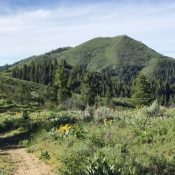
There are two types of competitions at play for those attempting to climb the Grand Slam Peaks in one day: Completely Self-Propelled and Traditional Vehicle Shuttle Between Peaks. Anne Hamby and Matt Stallings are both local runners and professors at the College of Business and Economics at Boise State University. On Thursday, October 13, 2022 they set a new record … Continue reading →
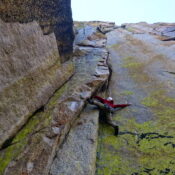
Sixty-five years after Lincoln Hales’ and Pete Schoening pioneered climbing routes on the Bighorn Crags’ granite walls (aka the Litner Group) at the west end of Ship Island Lake, Jim Pace led a crew of climbers to the granite climbers’ paradise. Read about their climbs in Jim’s article: Ship Island Climbing 2020. Ship Island Climbing 2020 by Jim Pace … Continue reading →
Derek Percoski finished the Idaho 11ers on July 15, 2021 but even more impressive was his second mountaineering accomplishment. On July 15, 2022 Derek completed his quest to climb all 329 ranked summits in Blaine County, Idaho. His quest covered a wide variety of summits and terrain including volcanic buttes in Craters of the Moon National Monument, the high Pioneer … Continue reading →
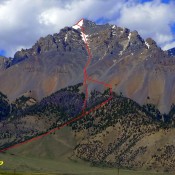
June 26, 2022. Access to Lost River Mountain was recently closed. The access route crosses BLM and private land but serves as access to Forest Service land. Contact the Forest Supervisor and request that he Forest Service grade one of the alternative access roads shown on the map below or buy an easement from the land owner. Salmon-Challis National … Continue reading →
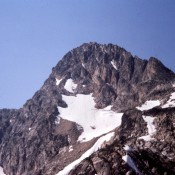
Derek Percoski Post Earthquake Report More bad news about the Sawtooths. I don’t believe a reasonable Class 4 route up the summit block of Mount Regan remains. Perhaps I missed something, but I looked around quite a bit and it took some questionable decisions to reach the top. Regardless of a climber’s ability, the cruxes all involve loose dirt and … Continue reading →
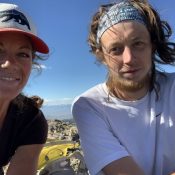
Last Saturday, Daniel Jeffy Todd and Haylee Stocking traversed the Lemhi Range Crest between Diamond Peak and Saddle Mountain in a 26-hour push. Josh Smith provided logistical support. Read about their incredible journey in Daniel’s article at this link: Southern Lemhi Traverse by Daniel Todd … Continue reading →
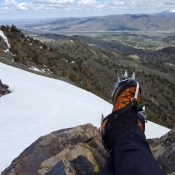
An Alpinist Guide to Pocatello – Snow Climbs and Scrambles, by Scot Kelchner is now available on the Idaho: A Climbing Guide website. This is a guide to some of the local spots Scot Kelchner enjoyed during his 13 years of scrambling up peaks in the Pocatello area. He made the guide available as a farewell gift to the … Continue reading →
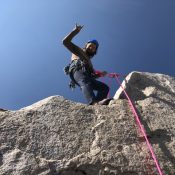
The North Raker survived the 2020 earthquakes and is still the hardest and most remote Sawtooth summit to climb. Since the first ascent by Fred Beckey and Pete Schoening in 1949, only a handful of climbers have reached its summit. Brian Fedigan and Mike McClure conquered the peak this Summer. Brian’s trip report and photos are set out below. “Mike … Continue reading →
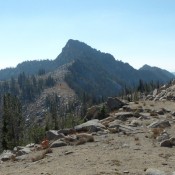
On August 7th, John Platt climbed Mount Heinous. The ascent completed his quest to climb all 12 peaks on the Fitsum Peak Quad. In my opinion, the effort required to reach the summit of these 12 peaks (9 ranked) far exceeds the effort needed to climb Idaho’s nine 12ers. Very few Lick Creek Range peaks are easy to climb. Most … Continue reading →
Mark Trengove just published on the Europeaklist website the first international register of people who make multiple ascents of the same hill or mountain, an activity he has named ‘poly-bagging’. Check out the following links: Introduction to Poly-Bagging Poly-Bagging Register Mark points out that the “Register, and the Hall of Fame which will follow for 2020, brings out a niche … Continue reading →
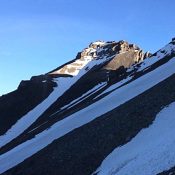
This snow/ice route on Italian Peak East was first climbed by Neil Gleichman. He named the route up the South Gully Direttissima, Neil describes the route as follows: “This route is exceedingly obvious in Spring conditions. The route climbs from the valley bottom in north branch of Scott Creek to the summit. Climbed it on May 4th, 2020. By May … Continue reading →
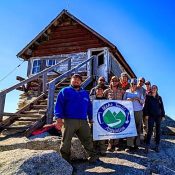
The Idaho Trails Association is an outstanding organization that not only maintains Idaho’s mountain trails but is also literally saving many of Idaho’s trails from extinction. The ITA is looking for volunteers for its 2020 projects. As you will see from perusing the ITA’s website, volunteers find the experience rewarding. You can learn more at this link: Idaho Trails Association. … Continue reading →
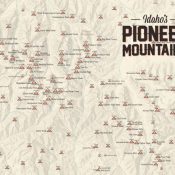
Best Maps Ever (an Idaho company) has just published its newest map in the company’s Idaho Series. This one covers Idaho fire lookouts. These poster maps are a great resource for Idaho peakbaggers and mountain enthusiasts. In addition to the newest product, you can buy the following titles: Idaho 2000+ Prominence Peaks, Idaho Eleveners, Idaho County High Points and Idaho … Continue reading →
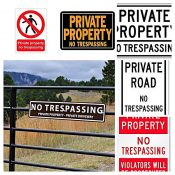
I recently discovered that the access road to 3 popular peaks in the Owyhee Mountains has been blocked by a private landowner. The 3 peaks are Buck Mountain, Peak 4620 and Peak 4540. The landowner has evidently used a narrow strip of private land between the US-95 right-of-way and BLM land to prevent access to the public land (see map … Continue reading →
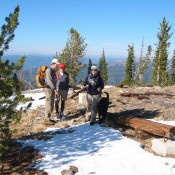
Go All Outdoors is a website developed by a group of passionate outdoors enthusiasts who have a genuine love for the outdoors and want to see it protected for future generations. By providing resources and how-to guides, the website is designed to help others learn the skills to get unplugged and get outdoors. Whether you want to start a new … Continue reading →
The Pins and Needles Climbing Guide is now available on this website. This climbing area is located at the South End of the Lick Creek subrange of the Salmon River Mountains northeast of Cascade, Idaho. It is an area of solid granite spires, pinnacles and walls centered around Needles Peak. The guide covers many of the bolted technical routes and is … Continue reading →
Margo Mandella has updated her article on Idaho Trespassing law. Understanding the new law is essential if you are venturing into Idaho’s outdoors. Read her informative article at this link: Trespassing and the Idaho Code, A Primer by Margo Mandella Stay legal and understand your rights and, more importantly, tell your elected representatives to Keep Their Hands off Our Public … Continue reading →
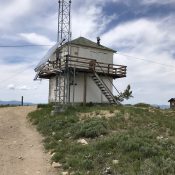
Fire Lookouts are a great way to experience Idaho’s mountains. I just discovered a Boise National Forest brochure (linked below) that covers most of the existing fire lookouts in the forest and provides brief access information for each. All of these mountains have pages on this website. Fire lookout sites were chosen because of their commanding views. You will find … Continue reading →
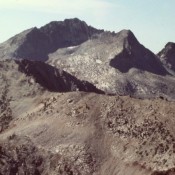
41 of Idaho’s mountain peaks serve as the highest points in 42 of Idaho’s 44 counties. The highest elevations in Jerome and Gooding Counties are not mountain peaks. Out-of-staters Ken Jones and Bob Packard were the first to reach all the Idaho County High Points. Dan Robbins was the first Idaho resident to reach the summit of all of Idaho’s … Continue reading →
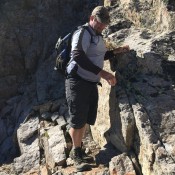
Ever have one of those days when around 11:00AM, you think “I should have gone a hiking” and then decided it was too late in the day? Dan Robbins of Idaho Summits fame has come up with a solution to your procrastination: A Peak List and Guide to 9 Peaks within 90 Minutes of Boise. The peak list includes peaks … Continue reading →
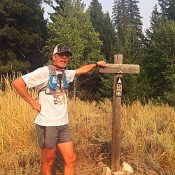
Kelly Lance’s impressive self-propelled 2017 Labor Day weekend traverse of the Idaho 12ers, covering 119 miles in 87 hours, is recounted in the following article “From Diamond Peak to Hyndman Peak: Kelly Lance’s 12er Traverse.” It is a story combining the best of what we all seek in the mountains with unbelievable endurance and grit set in Idaho’s highest mountains. … Continue reading →
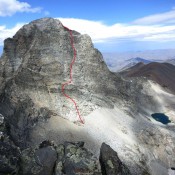
Pat McGrane‘s Wildhorse Classics guide to the fantastic peaks surrounding the Wildhorse Creek drainage in the Pioneer Mountains demonstrates that the range deserves equal billing with the Sawtooths when discussing Idaho’s best technical alpine climbing. Pat’s guide is a big file, 46 pages with lots of photos, so give it a bit of time to load. Please thank Pat for this … Continue reading →